Quick answer
At the end of each financial year on 30 June, Australian businesses must account for the value of trading stock on hand, which usually means a stocktake, though some small businesses can use simplified rules. June is also when many owners consider equipment purchases. The ATO says the $20,000 instant asset write-off is permanent from 1 July 2026 for businesses with turnover under $10 million, applied per asset.
Key points
- All businesses must account for trading stock at the start and end of each income year (ATO).
- Small businesses may skip a formal stocktake if stock value changes by $5,000 or less.
- The $20,000 instant asset write-off is permanent from 1 July 2026, per asset.
- Buy equipment because the business needs it, not just for a deduction.
- Financial year ends
- 30 June
- Instant asset write-off
- Under $20,000 per asset
- Turnover limit
- Aggregated under $10 million
- Simplified stock rule
- Change of $5,000 or less
June is a busy month for shop and venue owners, and not because of trade. It’s stocktake month, tax-planning month and, for many, the month someone suggests buying equipment “before the end of the financial year”. Each of these touches your cash, and each is easier to handle with a plan.
Why the June stocktake matters
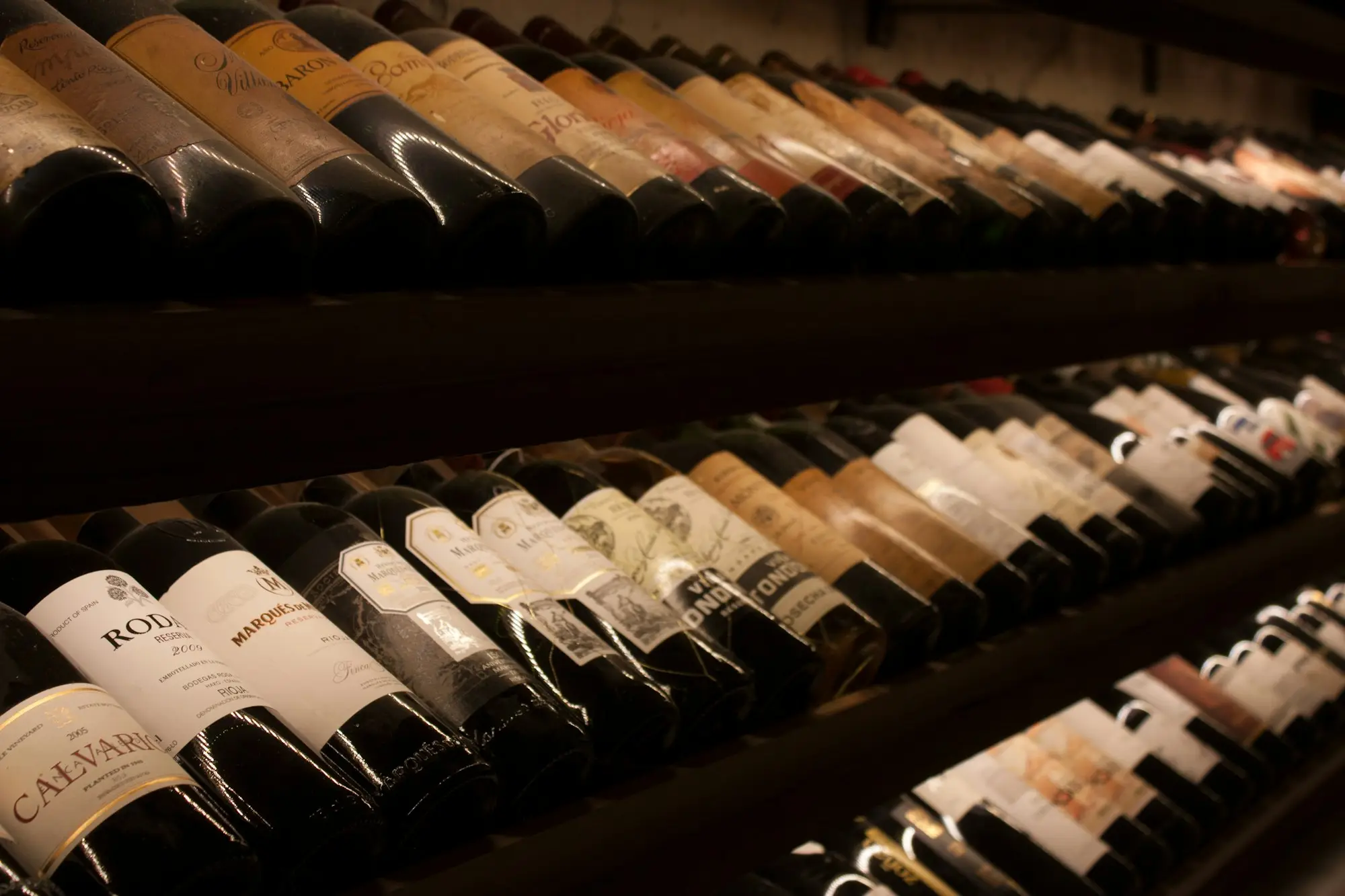
According to the ATO, all businesses must account for the value of their trading stock at the end of each income year (closing stock) and at the start of the next (opening stock). For a café that means food, drink and packaging; for a shop, everything on the shelves and in the storeroom; for a bottle shop, a great deal of inventory.
The change in stock value between the start and end of the year affects your taxable income. If you finish the year with more stock than you started, that increase generally adds to your assessable income; if you finish with less, it generally reduces it.
The ATO also offers simplified trading stock rules for small businesses that meet certain thresholds. Under those rules, you may not need a formal stocktake if the value of your trading stock changes by $5,000 or less over the year, though you still need a reasonable estimate. Your accountant can confirm whether you’re eligible.
Stocktake tips for venues and shops
- Pick a quiet time, such as after close on 30 June or before opening on 1 July.
- Count in teams of two, one counting and one recording.
- Count by location, shelf by shelf and fridge by fridge, not product by product.
- Deal with damaged or obsolete stock separately; it may be valued differently.
- Use the count, not just for tax but to spot slow lines, over-ordering and shrinkage.
A stocktake is also a good moment to look at how much cash is tied up in stock. If the answer is “a lot of slow-moving lines”, that’s cash you could free up with markdowns. Our page on retail stock finance looks at buying stock more efficiently.
The instant asset write-off in 2026
The ATO says the $20,000 instant asset write-off is permanent from 1 July 2026, giving eligible small businesses certainty when investing in assets. The key points, according to the ATO:
| Rule | What it means |
|---|---|
| Eligibility | Businesses with aggregated turnover of less than $10 million |
| Limit | Each asset must cost less than $20,000 |
| Per asset | You can claim multiple assets, as long as each one is under the limit |
| Timing | Deducted in the year the asset is first used or installed ready for use |
| New or used | In most cases both new and second-hand assets are eligible |
Assets costing $20,000 or more generally go into the small business depreciation pool instead. For cafés and restaurants, eligible items might include a coffee grinder, a fridge, a dishwasher or point-of-sale hardware. For shops, display cases or security systems. Your accountant can tell you exactly how each purchase will be treated.
Buying equipment before 30 June: think it through
The write-off makes a genuine purchase more affordable after tax. It doesn’t make an unnecessary purchase worthwhile. Before you buy:
- Does the business need it now? Replacing a failing fridge, yes. A second espresso machine you won’t use, probably not.
- Is it installed ready for use by 30 June? If you want the deduction this year, it needs to be first used or installed ready for use in the income year.
- Can you afford the cash? The deduction arrives when you lodge your tax return; the invoice arrives now.
- Is financing the purchase sensible? Spreading the cost over the asset’s life can protect your cash flow.
Our pages on commercial kitchen equipment finance and coffee machine finance cover the options. Trading businesses can often use unsecured or cash-flow options, typically $5,000 to $500,000. You can check what your business could access with no credit check at the first step.
An illustrative example
Illustrative only. A deli owner’s two display fridges are ageing, and one is starting to struggle on hot days. In May, she gets quotes for two new units, each costing less than $20,000. Her accountant confirms the business is eligible for the instant asset write-off. She funds the purchase with an unsecured option sized on turnover, has the fridges installed in mid-June, and completes her stocktake after close on 30 June, using the count to clear out slow pantry lines with a July sale.
Cash flow around EOFY
Around the end of the financial year, several things can land close together: the April to June BAS (due 28 July for quarterly lodgers, according to the ATO), your stocktake, possible equipment purchases and, in many venues, a quieter winter trading period. Mapping these in our seasonal trade planner helps you see the pressure points before they arrive. If you’re weighing a bigger stock order at the same time, see bulk buys and supplier deals.
Make EOFY work for your business
If you need equipment before 30 June, or cash to steady things through a winter stocktake season, a short enquiry is the place to start. It takes about 60 seconds and there’s no credit check when you first enquire. We keep your details with one team rather than spraying them around the market; a real person looks at your situation and calls you with options that fit. Please fill in the form accurately, including what you’re buying and when, so we can match you properly first time.
Frequently asked questions
Do I have to do a stocktake at the end of June?
The ATO says all businesses must account for the value of trading stock at the end of each income year. Small businesses that meet certain thresholds can use simplified rules and may not need a formal stocktake if the value of their trading stock changes by $5,000 or less, but they still need a reasonable estimate.
What is the instant asset write-off in 2026?
The ATO says the $20,000 instant asset write-off is permanent from 1 July 2026 for businesses with aggregated turnover under $10 million. Each eligible asset costing less than $20,000 can be deducted in the year it's first used or installed ready for use.
Does the write-off apply to second-hand equipment?
In most cases, yes. The ATO says both new and second-hand assets are generally eligible, although some exclusions and limits apply.
Should I buy equipment in June to get a tax deduction?
Only if the business genuinely needs it. A deduction reduces tax, but you still spend the full purchase price. Buying something you don't need just for the deduction usually leaves you worse off.
Can I finance equipment and still claim the write-off?
Generally, how you pay for an asset doesn't change whether it's eligible, but the details depend on the type of finance and your circumstances. Ask your accountant before you buy.